What I Learned from Five Months Volunteering at Khan Lab School
Over the past few years, I’ve been asking myself a simple question with a complicated answer: What comes after my tech career? Every time I traced that question back to its roots, it led me to my childhood hometown of New Orleans and to the persistent reality that public education there has struggled for decades. My high school had a 75% dropout rate (yes, seventy-five percent) when I was growing up and about 45% now. Despite that context, I’ve been very fortunate in my own educational journey, and I’ve felt a growing responsibility to give that privilege back.
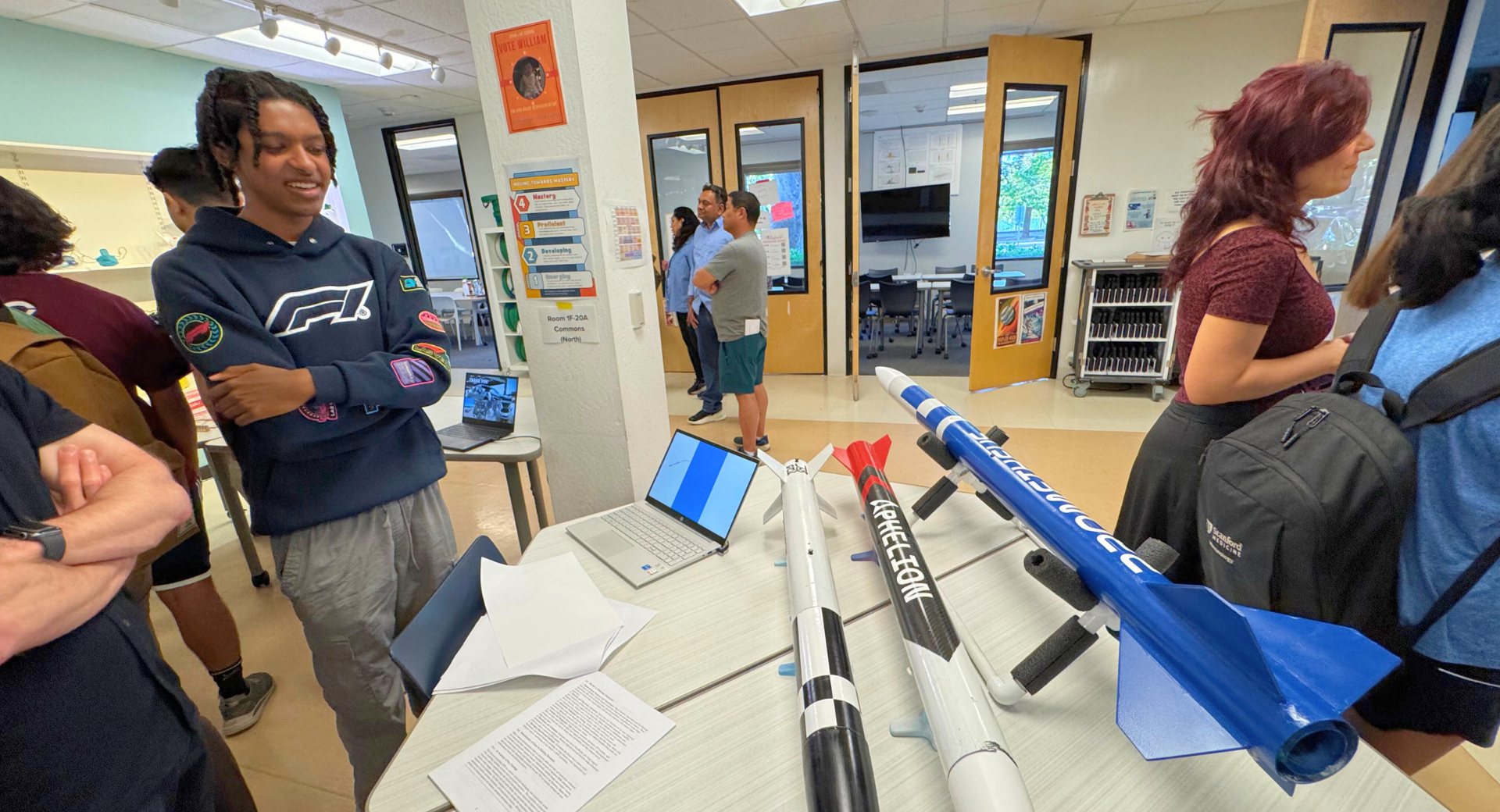
Earlier this year, while on parental leave, I reached out to Sal Khan for advice on how to start contributing in a real, grounded way. Sal introduced me to Kim Dow, who helped craft a low-key but deeply meaningful opportunity: volunteer with the graduating seniors in the Khan Lab School Capstone program. For five months, I showed up twice a week to support students as they navigated the most open-ended, self-directed work of their high-school careers.
The experience challenged me in unexpected ways and gave me a deeper appreciation for how real learning happens through curiosity, patience, and connection.
The Students
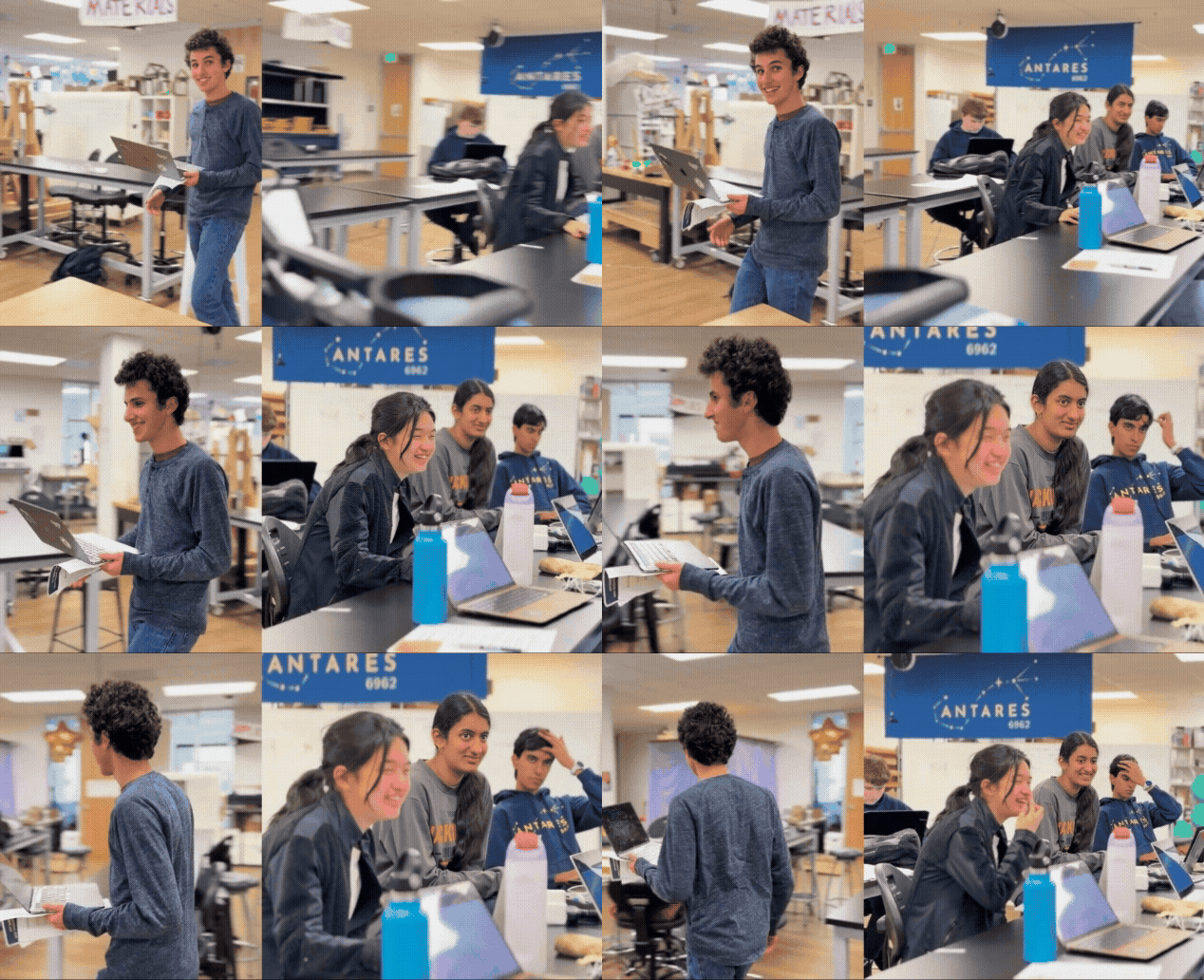
The first thing I noticed was how sharp and ambitious these students were. Their projects spanned a diverse range of topics, including coding experiments, photography, global health research, decolonizing media, parasocial relationships, FODMAP science, rocket design, education outreach, and more. Sitting with them, I found myself toggling between disciplines daily: one hour talking about project-management frameworks, the next diving into AI ethics, and the next unpacking postcolonial theory.
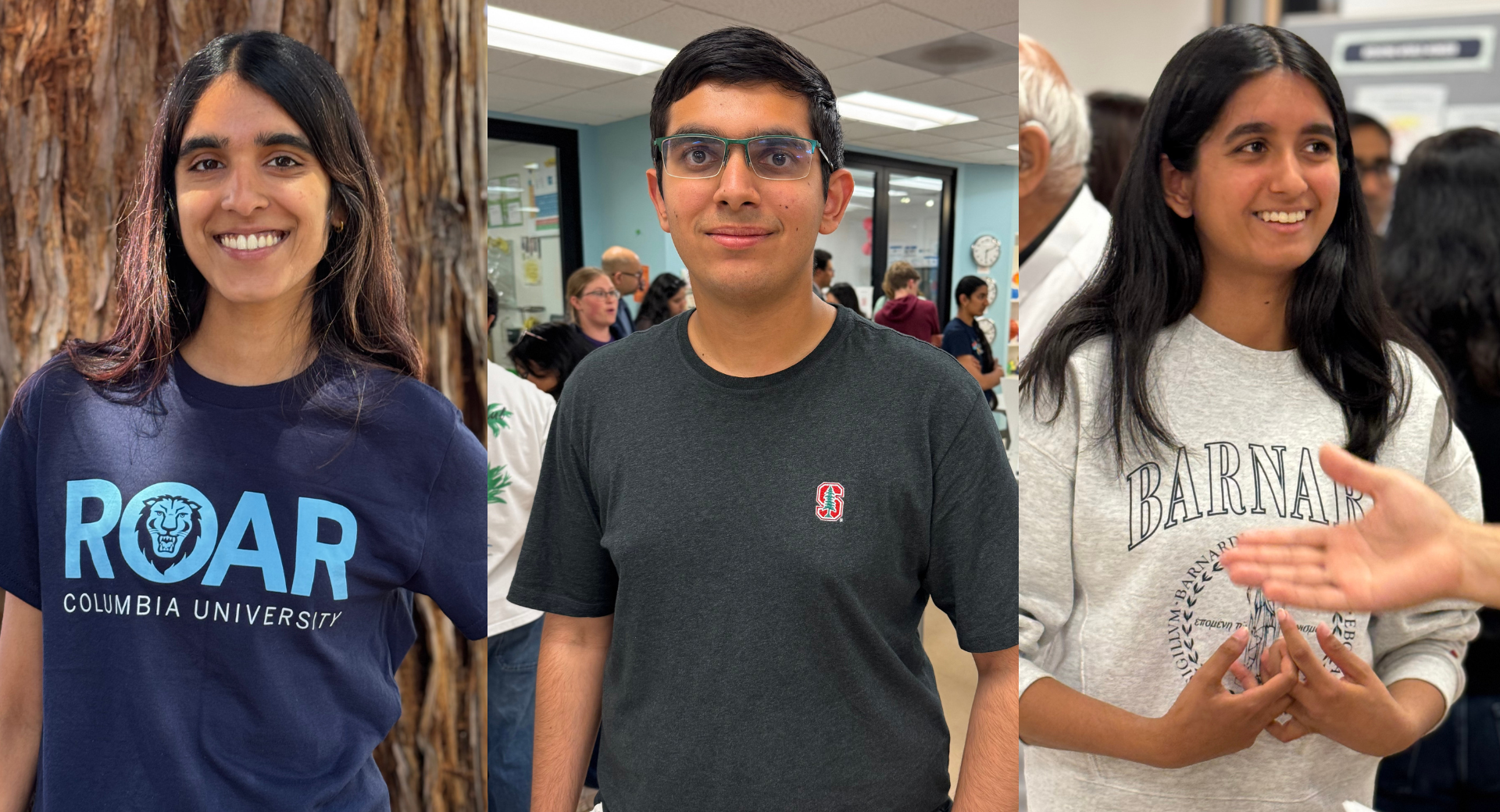
The most memorable thread for me was working with Sita on her project designing a contemporary media studies course through a decolonization lens. Having studied the impacts of colonialism in the Middle East at Columbia, I immediately felt an intellectual and academic connection. We traded ideas that shaped my own college career and drew inspiration from thinkers like Foucault, Derrida, and Weber. Guiding her through that journey felt like coming full circle, especially when she was accepted to Columbia a few months later. I was touched when she asked me for advice on choosing between programs. Now she’s wrapping up her first semester there, and seeing her journey has been an unexpected joy.
The Faculty

Equally inspiring was getting to watch the faculty do their work up close. I shadowed and collaborated most closely with Morgan May, who led the Capstone program. Morgan brought the perfect blend of structure, curiosity, and humor and showcased exactly the temperament you want when mentoring seniors in wide-open projects. I also learned more about the administrative realities teachers face: juggling multiple roles, navigating tool restrictions, planning space allocations, and keeping a diverse set of projects moving at a healthy pace.
Seeing the mission-driven culture around students every day reminded me how different the education world is from tech. It’s less flashy, more human, often more constrained, and full of the heart and imagination that great educators bring to their work.
What I Contributed
During the semester, I ran sessions on how to use (and not misuse) AI tools, introduced project-management techniques, and helped students think through complexity when projects inevitably took unexpected turns. I also proposed new frameworks to incorporate into the class: “Revisiting Your Why,” “Visualizing the End,” and structured methods like future press releases, pre-mortems, testimonials, and vision maps to help students reconnect with their purpose and imagine their finished work more clearly. Some landed well, while others were clearly better suited for corporate offices than classrooms.
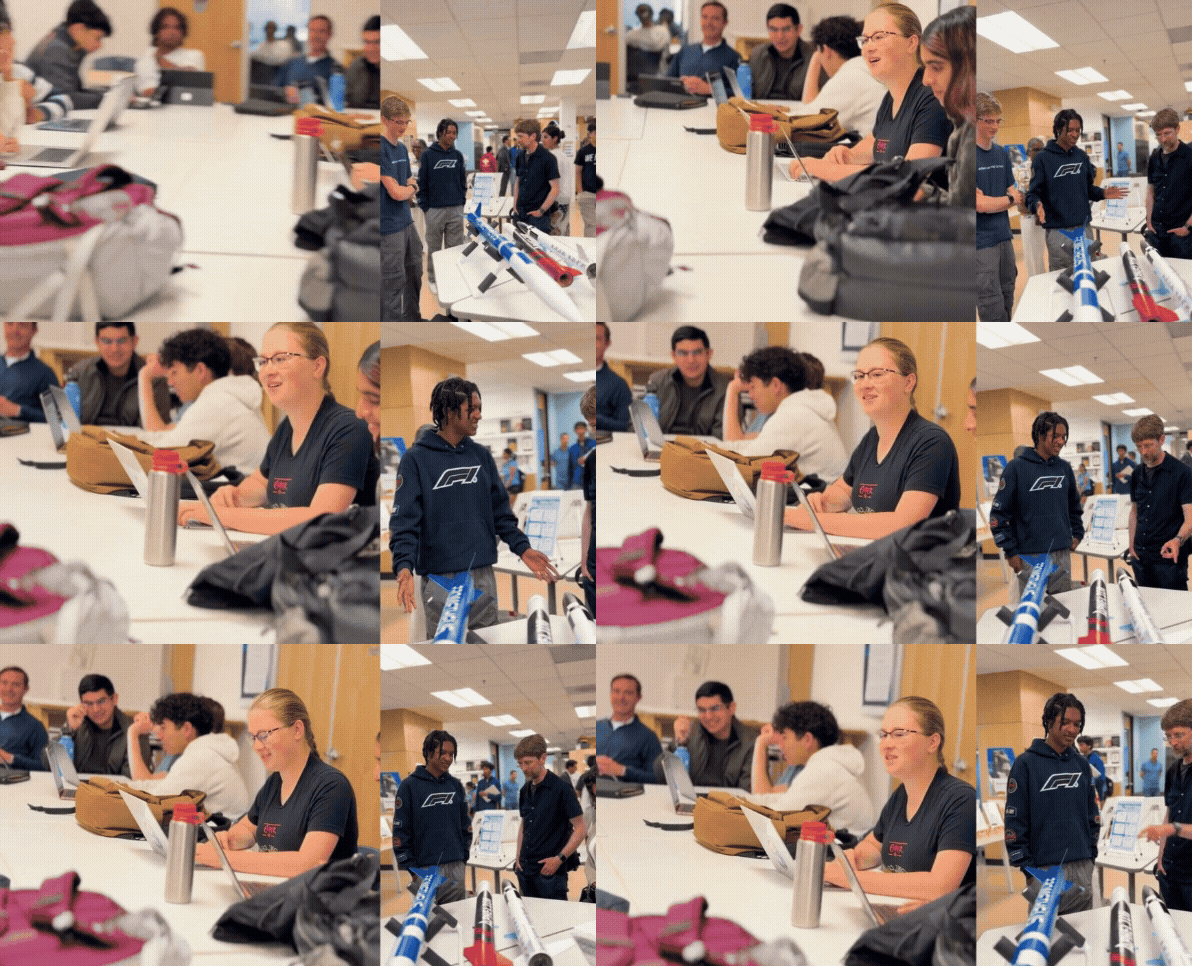
Most of my time, though, was spent in the trenches with individual students. I listened and asked questions, helped them think out loud, and tried to be useful in the messy middle of their process.
What It Gave Back to Me
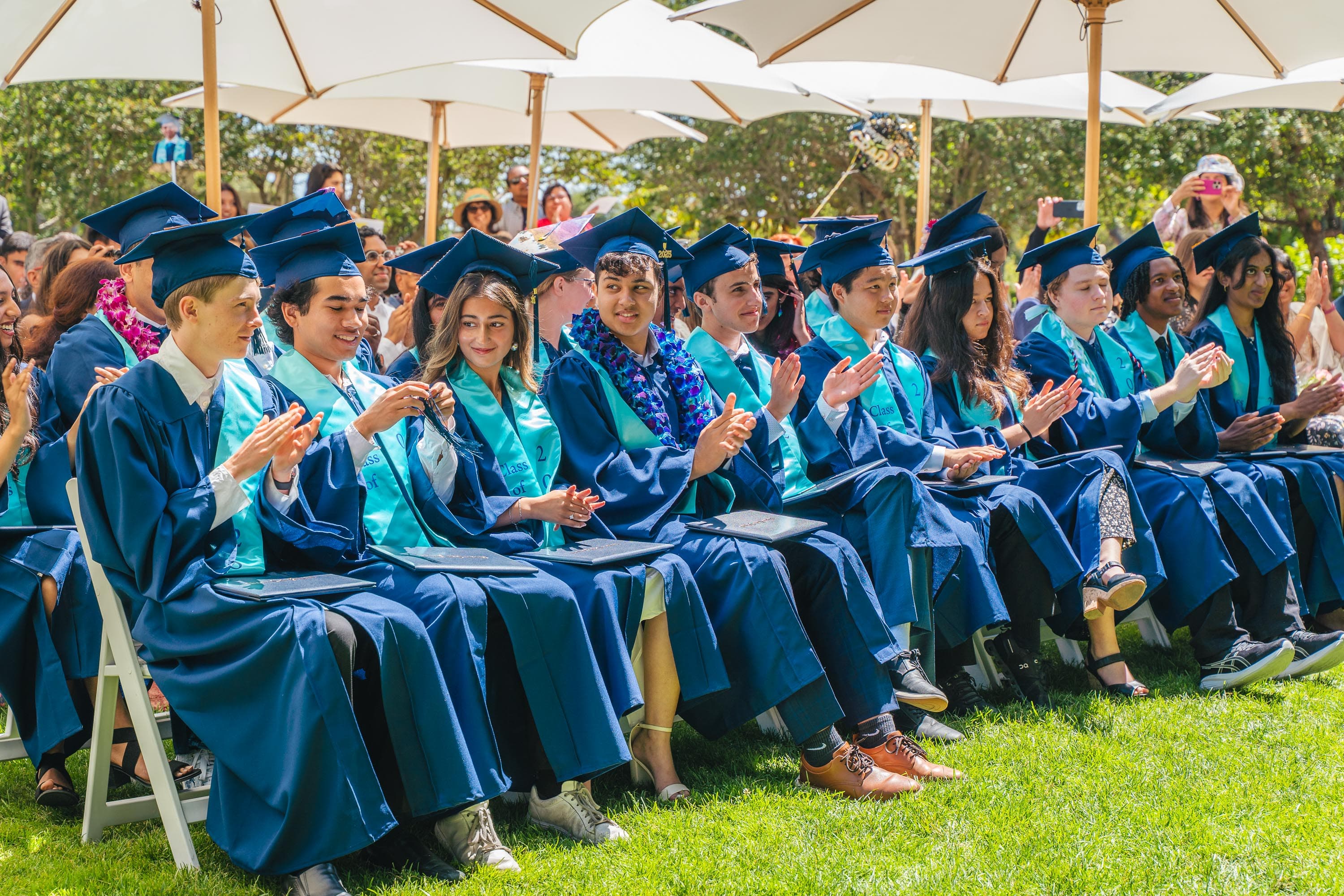
Volunteering at KLS was personally rewarding in ways I didn’t expect. It reconnected me to the joy of teaching and mentorship, stretched my thinking across domains I hadn’t visited in years, and sharpened my conviction that I want to play a role in education long-term, especially in New Orleans.
It also connected me with people working in education innovation and philanthropy, including leaders who are active in New Orleans’s evolving ecosystem. When the time comes for me to move back, I’ll have a head start I didn’t have before.
What’s Next
I’m planning to volunteer again this spring, hopefully running additional sessions that build on what worked and what I learned. Longer term, I’m continuing to explore what a deeper role in education could look like — from advising, to hands-on project support, to working directly with schools in New Orleans when my family eventually returns.
This experience did a lot more than give me visibility into how an innovative school like Khan Lab operates. It reaffirmed a belief I’ve carried for years: if you care about the future of a place, start with the kids.